safe malaria drugs for breastfeeding mothers Breastfeeding antihypertensive
Malaria has been a serious health issue in many parts of the world for decades. The disease is caused by a parasite that is transmitted to humans through mosquito bites. While malaria can be treated, it is crucial to take preventative measures to protect individuals from contracting the disease in the first place. One such measure is the use of antimalarials. Antimalarials are drugs that are specifically designed to prevent, treat and cure malaria. They work by stopping the growth and reproduction of the malaria parasite in the body. The use of antimalarials is especially important for individuals who are traveling to areas where malaria is prevalent. One of the most common antimalarials is Chloroquine. The drug is used to treat malaria, and it works by interfering with the DNA replication of the parasite. Another commonly used antimalarial is Artemisinin. The drug is derived from a plant called Artemisia annua, and it works by breaking down the membranes of the malaria parasite’s cells. It is worth noting that while antimalarials are effective in preventing and treating malaria, they can also have side effects. Some of the common side effects of antimalarials include headaches, nausea, vomiting, and abdominal pain. Additionally, some individuals may experience more serious side effects such as heart problems or allergic reactions. Apart from the use of antimalarials, other preventative measures can be taken to protect individuals from contracting malaria. One such measure is the use of indoor residual spray (IRS). IRS involves spraying insecticides on the walls and ceilings of a building to kill mosquitoes that come into contact with the surfaces. A recent project that implemented IRS has successfully protected millions of individuals from contracting malaria. The project involved spraying insecticides in homes across several countries in Sub-Saharan Africa. The use of IRS has been shown to be effective in reducing the number of malaria cases in the region. In conclusion, the use of antimalarials and other preventative measures such as IRS are crucial in the fight against malaria. While antimalarials are effective in preventing and treating malaria, it is important to be aware of the potential side effects. Individuals traveling to areas where malaria is prevalent should consult with a healthcare professional to determine the best preventative measures to take.
If you are looking for Malaria drugs (Antimalarials) you’ve visit to the right place. We have 5 Pics about Malaria drugs (Antimalarials) like What Drugs and Medications are OK for Breastfeeding Moms, Millions safe from malaria thanks to indoor residual spray project and also What Drugs and Medications are OK for Breastfeeding Moms. Here it is:
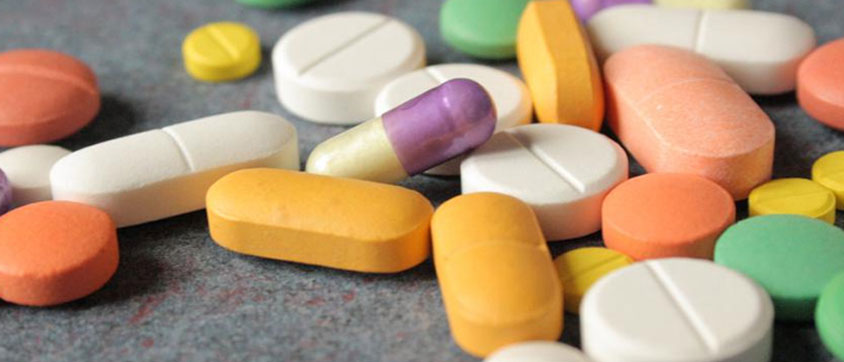
Malaria Drugs (Antimalarials)
 www.indiaparenting.commalaria antimalarials
Antihypertensive Drugs During Breastfeeding | Download Table
 www.researchgate.netbreastfeeding antihypertensive
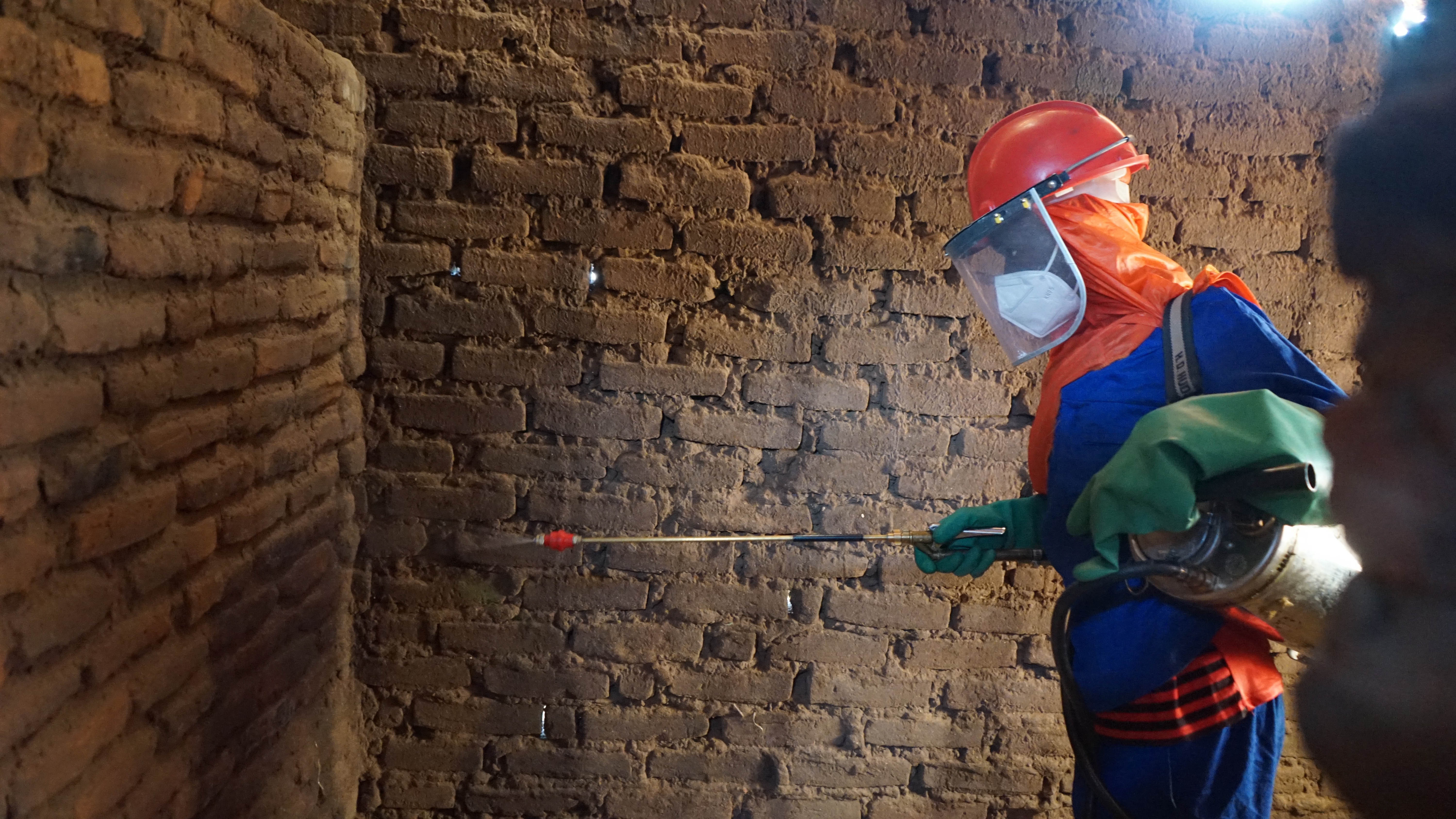
Millions Safe From Malaria Thanks To Indoor Residual Spray Project
 www.wvi.orgresidual indoor malaria spray malawi
What Drugs And Medications Are Safe For Breastfeeding Moms?
 breastfeeding-magazine.combreastfeeding drugs medications moms safe affiliate boring disclosure quite policy links contain find but post
What Drugs And Medications Are OK For Breastfeeding Moms
 www.breastfeeding-magazine.combreastfeeding drugs medications while take moms ok knowing need help good magazine many nursing mothers question choose board
Malaria drugs (antimalarials). Millions safe from malaria thanks to indoor residual spray project. Malaria antimalarials